


Transformation in Modern Architecture
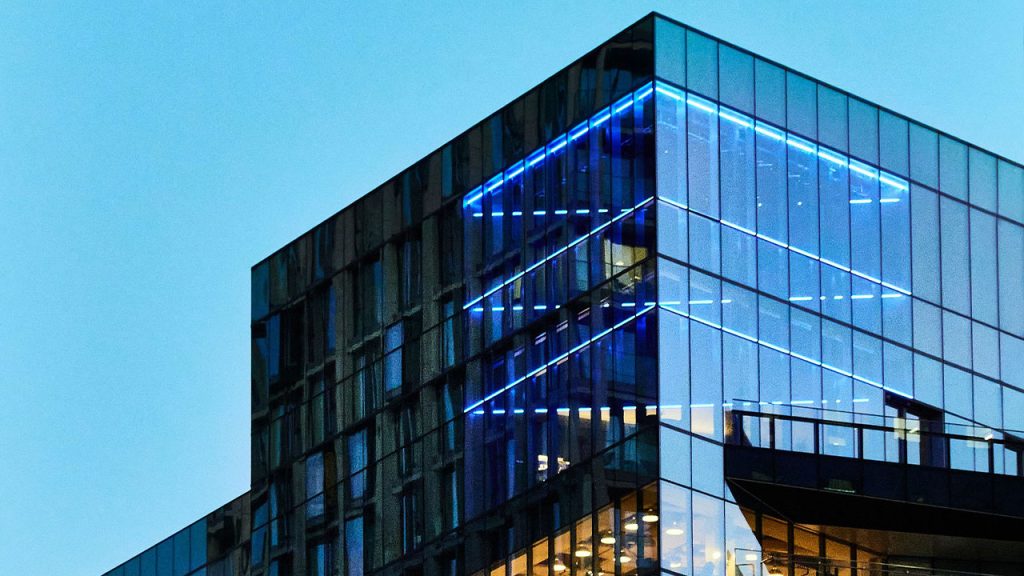
The construction industry in recent decades has witnessed a fundamental shift in design approaches, in which glass has evolved from a purely decorative element into a structural and security component. By leveraging the unique properties of safety glass, modern architects have succeeded in blurring the boundaries between interior and exterior spaces, making transparency a core pillar of modern buildings. The use of expansive glass surfaces not only increases the penetration of natural light into the space but also significantly enhances the quality of life for occupants by establishing a visual connection with the surrounding environment.
The manufacturing technology of tempered glass has evolved to a point where this material can now withstand exceptionally high mechanical pressures and thermal shocks that previously seemed impossible. The precise process of heating and rapid cooling (quenching) in advanced factories like Artah Glass creates a molecular structure that, in the event of potential breakage, fractures into small, harmless fragments, fully guaranteeing personal safety. This vital feature has made this product irreplaceable in high-rise facades, glass staircases, and even modern structural glass flooring.
Alongside tempering, laminated glass technology—which places polymeric interlayers between glass panes—has elevated safety standards to a new level, ensuring that the glass does not collapse even when broken, but remains held in place. This property not only prevents intruder penetration but also functions as an outstanding acoustic insulator, providing tranquility for building occupants in the busiest urban areas. The combination of these two technologies in luxury projects represents the intersection of engineering and aesthetics in the new era of architecture.
One of the overlooked benefits of using high-quality glass is its direct impact on reducing energy consumption and optimizing the building’s heating and cooling systems. Featuring solar control capabilities, modern glass prevents excessive heat gain in summer and blocks thermal energy loss from inside the building in winter. This optimal cycle not only reduces operational building costs but also aligns perfectly with green and sustainable building standards, minimizing the structure’s carbon footprint.
Selecting the appropriate glass type for each climate requires technical knowledge and expert consultation, which is only provided by experienced manufacturers to prevent the wasting of resources. For instance, in areas with high noise pollution, the thickness of the laminated layers and the spacer width in double-glazed systems must be engineered with high precision to achieve maximum efficiency. Understanding these needs, Artah Glass has designed its product portfolio to address diverse climatic and structural demands nationwide.
Beyond technical aspects, the psychological impact of natural light on employee productivity in office environments and family vitality in residential spaces is among the primary drivers of the trend toward glass walls. Light entering through ultra-clear glass displays colors accurately and creates a vibrant, dynamic atmosphere that is never achievable with traditional solid walls. This transparency makes small spaces appear larger and grants users a greater sense of freedom.
In interior design, glass partitions have also replaced thick walls to preserve visual communication and light flow throughout the unit while maintaining acoustic privacy. Known as open-plan design, this layout offers high flexibility to the environment and ensures that if a change in decor is needed, demolition and remodeling costs are kept to a minimum. The use of patterned or smart switchable glass in these partitions gives designers a free hand to create unique spaces.
The durability and resilience of glass against atmospheric elements—such as acid rain, ultraviolet radiation, and high humidity—make it one of the most economical materials in the long run. Unlike metals that corrode or stones that may crack and discolor, high-quality glass maintains its original appearance for many years. This visual stability preserves property value over time and significantly reduces facade maintenance and restoration costs.
Advancements in installation hardware and fittings have enabled the execution of frameless glass structures (spider systems) where the minimal amount of metal framing is visible. These systems transfer symmetrical and secure loads to the primary structure while creating a seamless, reflective facade that mirrors the beauty of the surrounding city and nature. Executing such projects demands millimeter-level precision in glass fabrication, which is achievable only through fully automated machinery.
Ultimately, the perspective on windows must shift from being merely a means of looking outside to a complex engineering system responsible for protecting the health and economic well-being of the household. Investments in research and development by leading manufacturing groups promise the arrival of products that transform glass from a passive material into a living, responsive envelope. At Artah Glass, we are committed to providing the engineering and construction community with the best and most up-to-date solutions in the glass industry, keeping pace with these global developments.